
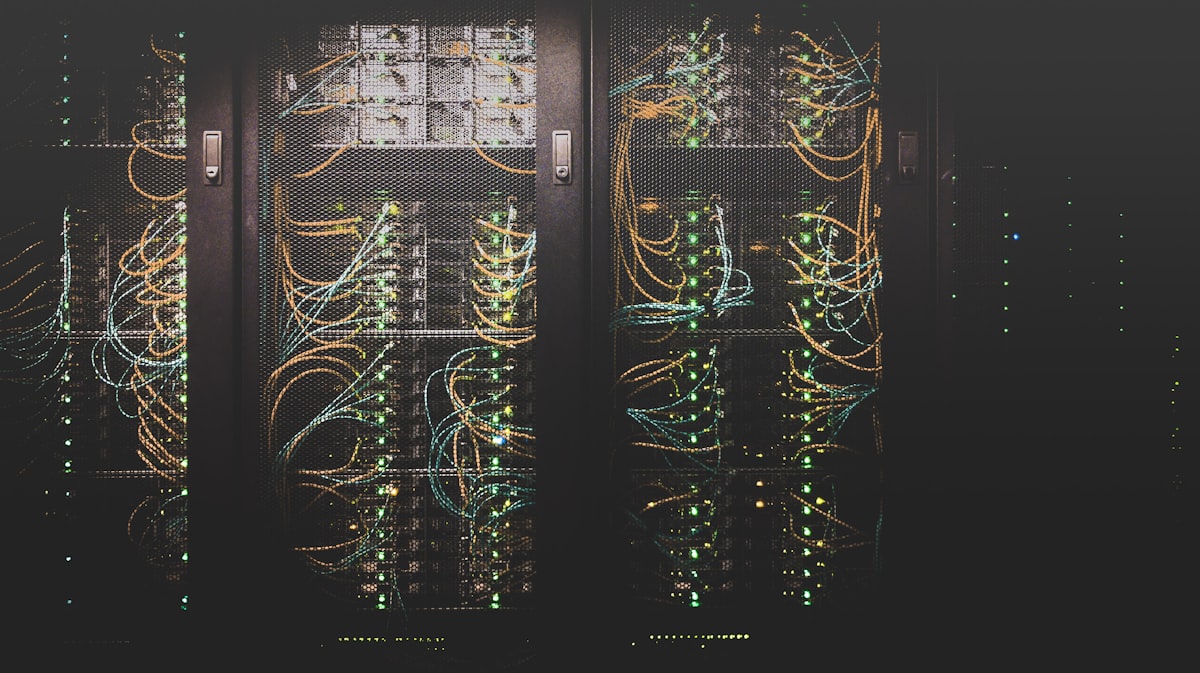
Welcome to The Future of Web Hosting for Your Business. The web hosting industry is undergoing a massive paradigm shift. Driven by artificial intelligence, edge computing, and increasing security demands, the infrastructure of tomorrow looks vastly different from the standard shared servers of the past decade. Here is what the future holds for your digital business.
1. The Rise of Serverless and Edge Computing
The concept of renting a specific "server" in a single data center is becoming obsolete. The future is Edge Computing combined with Serverless architectures. Instead of your website living in one location, your application's code and assets will be distributed across hundreds of edge nodes globally. When a user requests a page, the code executes on the node physically closest to them, reducing latency to near zero and eliminating the need to manage server capacity entirely.
2. AI-Driven Infrastructure Management
Artificial Intelligence is moving from a buzzword to a critical component of server management. Future hosting environments will utilize Predictive AI to analyze traffic patterns and automatically scale resources before a spike occurs. AI will also play a massive role in security, identifying zero-day exploits and DDoS attack patterns in real-time and automatically rewriting firewall rules without human intervention.
3. The Demise of the Monolith
Monolithic architectures (like a traditional WordPress installation running on a single LAMP stack server) are slowly giving way to Headless architectures and Microservices. Businesses are decoupling their backend databases and CMS platforms from their frontend presentation layers. This allows developers to use modern JavaScript frameworks (like React or Vue) for the frontend while relying on highly specialized, API-driven backend services, drastically improving performance and security.
4. Hyper-Personalized Security (Zero Trust)
As cyber threats become more sophisticated, the traditional perimeter defense model is failing. The future of hosting involves Zero Trust Architecture, where no user or service is trusted by default, even if they are already inside the network perimeter. Every request, whether from a public user or an internal microservice, will require strict authentication and authorization, significantly limiting the blast radius of any potential breach.
5. Sustainable and Green Hosting
As the environmental impact of massive data centers becomes a global concern, "Green Hosting" will transition from a marketing feature to a regulatory requirement. Future infrastructure will be powered entirely by renewable energy, utilizing AI to optimize power usage effectiveness (PUE) and employing advanced liquid cooling technologies to minimize the carbon footprint of massive compute clusters.
Conclusion
The future of web hosting is decentralized, intelligent, and highly secure. Businesses that embrace these emerging technologies—shifting toward edge computing, headless architectures, and AI-driven management—will possess a massive competitive advantage in delivering lightning-fast, unshakeable digital experiences to their users.